As the crisp autumn air begins to sweep across the Americas, a unique energy awakens from Mexico City to the ancient plains of the Yucatán. The fall of 2025 promises an extraordinary convergence of high-octane modern spectacle and profound ancient tradition, offering travelers an unparalleled journey through the heart of the continent's soul. This season is not merely a time to visit, but a time to witness, to participate, and to be transformed by events that pulse with the very rhythm of the land.
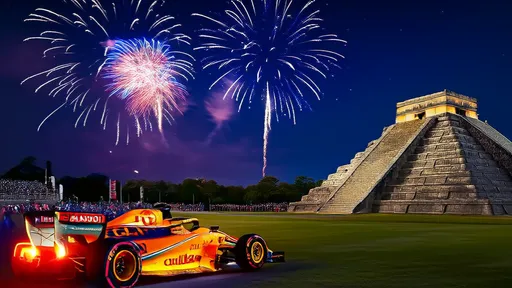
The journey begins amidst the roaring engines and electric atmosphere of the Mexico City Grand Prix. Held in late October, the Autódromo Hermanos Rodríguez becomes the epicenter of global motorsport. The city itself vibrates with a festive chaos, where the scent of sizzling street food mingles with the smell of burning rubber. The circuit, weaving through the historic Chapultepec Park, offers a surreal contrast of nature, urban sprawl, and cutting-edge technology. Grandstands packed with fervent fans erupt as cars scream past, their downforce pushing them to the physical limit through the famous stadium section. But the true experience extends beyond the track. Evenings in the Polanco and Condesa districts are alive with exclusive parties, while traditional cantinas in the centro histórico overflow with celebrants debating the day's overtakes. It’s a celebration of modern Mexican vitality, a testament to a city that never sleeps, fueled by adrenaline and mezcal.
As the echoes of the Grand Prix fade, the traveler's path naturally turns eastward, drawn by a celestial clock that has been ticking for millennia. The destination is the Yucatán Peninsula, and the purpose is to arrive at the majestic archaeological site of Chichén Itzá for the Autumn Equinox. Occurring around September 22nd, this is not a man-made event, but a cosmic performance orchestrated by the sun and the genius of the Maya astronomers. The journey to this moment is as important as the event itself. The landscape changes from the high-altitude buzz of the capital to the flat, jungle-clad limestone of the Yucatán, where the air is thick with heat and history.
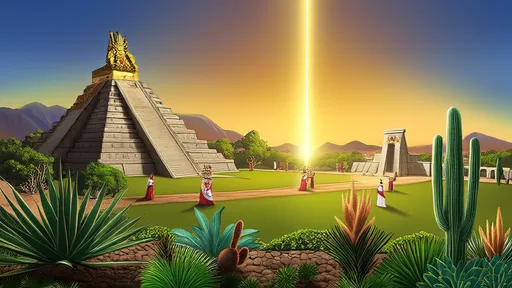
On the morning of the equinox, a quiet anticipation builds. By late afternoon, a diverse crowd gathers at the foot of the great pyramid, El Castillo. All eyes are fixed on the western balustrade. As the sun begins its descent, a mesmerizing play of light and shadow unfolds. The angled sunlight creates a series of seven interlocking isosceles triangles that slither down the northern staircase, forming the unmistakable body of a serpent, connecting the stone snakehead at the base to the temple at the summit. This phenomenon, representing the descent of the feathered serpent god Kukulkán, lasts for approximately three and a half hours, reaching its peak at the final moments before sunset. The collective gasp from the thousands of onlookers is a sound of pure wonder, a shared human experience that transcends language and culture. It is a powerful reminder of a civilization that understood the cosmos with breathtaking precision and built their faith into the very stone.
Connecting these two monumental events is the vibrant tapestry of early autumn festivals across the continent. In the United States, particularly in New England, the fall foliage reaches its spectacular peak in October. This is not a single event but a moving feast for the eyes, a slow-burning fire of crimson, gold, and orange that sweeps across the hills. Road trips along Vermont's Route 100 or through the White Mountains of New Hampshire become pilgrimages to witness nature's most dazzling display. Meanwhile, cities like New York and Toronto host major film festivals, attracting international cinema and creating a buzz of creative energy.
Further south, as October gives way to November, the continent begins to prepare for one of its most iconic and deeply spiritual celebrations: Día de los Muertos, or Day of the Dead. While the most famous festivities are in Mexico, its spirit is felt throughout Latin America. This is a time of joyful remembrance, not mourning. From October 31st to November 2nd, towns and cities are transformed. Elaborate ofrendas (altars) adorned with marigolds, photographs, favorite foods, and candles are built in homes and public squares to welcome back the souls of the departed. The scent of cempasúchil flowers and copal incense fills the air. Parades of people with beautifully painted calavera (skull) faces celebrate life in the face of death. To experience this tradition, particularly in places like Oaxaca or Michoacán, is to understand a fundamental aspect of the Latin American relationship with family, community, and the cycle of life.
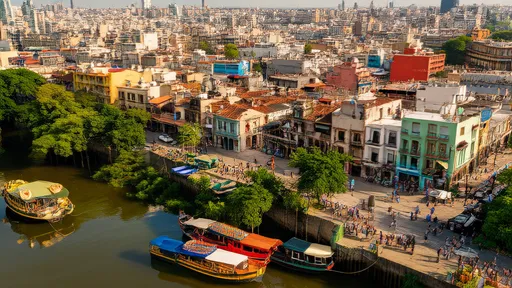
For those seeking a different rhythm, South America offers its own autumnal charm. In Argentina and Chile, September and October mark the arrival of spring, a season of renewal. Buenos Aires explodes with the color of jacaranda trees in bloom, and the city's cultural calendar is packed with events. This is also the perfect time to visit the wineries of Mendoza, as the vineyards are lush and the weather is ideal for tasting Malbecs against the backdrop of the Andes. In Brazil, while the calendar is different, the energy is no less potent, with various regional festivals celebrating the country's diverse cultural heritage.
Planning a journey that spans from the Formula 1 paddock to the sacred grounds of the Maya requires thoughtful consideration. The key is timing and logistics. The Autumn Equinox is a fixed date, while the Mexico City Grand Prix is typically scheduled for late October. This allows for a logical travel sequence: witness the equinox at Chichén Itzá in late September, then spend the intervening weeks exploring the Yucatán's cenotes, colonial cities like Mérida, and the Caribbean coast, before flying west to Mexico City for the Grand Prix in October. Alternatively, one could reverse the order, starting with the modern spectacle and concluding with the ancient ritual.
Securing accommodations and tickets well in advance is absolutely crucial. The equinox at Chichén Itzá attracts tens of thousands of visitors, and access to the site on that day is limited. Similarly, Grand Prix tickets, especially for premium grandstands and hospitality packages, sell out months ahead. For the more intrepid traveler, consider basing yourself in the charming town of Valladolid, a short drive from Chichén Itzá, to avoid the crowds of the larger resort cities. When in Mexico City, embracing neighborhoods like Roma or Coyoacán can offer a more authentic and relaxed stay compared to the immediate hustle of the city center.
This autumn voyage across the Americas is more than a vacation; it is a narrative. It is the story of speed and silence, of the future and the past, of human creation and cosmic design. It begins with the deafening roar of a V6 hybrid engine, a symbol of our relentless pursuit of progress, and culminates in the silent, awe-inspiring descent of a shadow serpent, a symbol of ancient wisdom and eternal cycles. To embark on this journey in the fall of 2025 is to trace a line through the very identity of the Americas, discovering that its true pulse is found not in one event or the other, but in the powerful, resonant space between them.
By /Sep 28, 2025
By /Sep 28, 2025

By /Sep 28, 2025
By /Sep 28, 2025
By /Sep 28, 2025
By /Sep 28, 2025
By /Sep 28, 2025

By /Sep 28, 2025
By /Sep 28, 2025

By /Sep 28, 2025
By /Sep 28, 2025
By /Sep 28, 2025
By /Sep 28, 2025
By /Sep 28, 2025

By /Sep 28, 2025

By /Sep 28, 2025

By /Sep 28, 2025

By /Sep 28, 2025
By /Sep 28, 2025
By /Sep 28, 2025
