Buenos Aires often earns its nickname as the "Paris of South America" through the grand, European-inspired architecture of its central avenues. Yet, to truly understand the soul of this sprawling metropolis, one must venture beyond the ornate facades and into its vibrant, contrasting peripheries. Two destinations, seemingly worlds apart, hold the key: the serene, watery labyrinth of the Tigre Delta and the explosively colorful, fervent streets of La Boca. Together, they narrate a story of nature, immigration, and the raw, artistic passion that defines Argentina's capital.
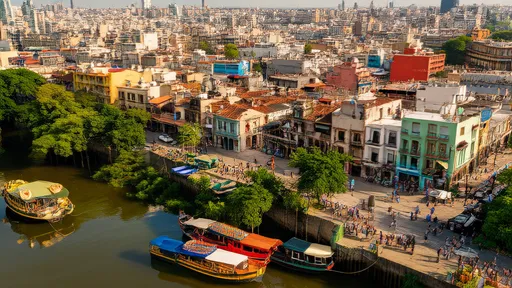
The journey to Tigre, located just a short train ride north of the city center, feels like crossing a threshold into another dimension. The bustling urban soundscape gradually fades, replaced by the gentle lapping of water and the low hum of boat engines. Tigre is the gateway to the Paraná Delta, one of the largest deltas in the world, a vast and intricate network of rivers, streams, and islands that feels a world away from the Parisian boulevards of Recoleta. Here, the primary mode of transport is not the subway or bus, but the water taxi or a private lancha. The rhythm of life is dictated by the tides.
As your boat navigates the narrow, tea-colored channels, a unique way of life unfolds along the banks. Elegant, early-20th-century rowing clubs, with their timber balconies and striped awnings, stand beside simple, stilted houses painted in cheerful pastels. The air is thick with the scent of damp earth and blooming ceibo flowers, the national tree of Argentina. Life here is intimately connected to the river. Groceries, mail, and even furniture are delivered by boat. You see children being ferried to school and families heading to their weekend casa de fin de semana (weekend house), a cherished tradition for many porteños (residents of Buenos Aires). The tranquility is palpable, a stark contrast to the city's relentless energy.
A visit to the bustling Puerto de Frutos, the delta's old fruit port now transformed into a massive artisanal market, offers a taste of local crafts and delicacies. But the true magic of Tigre lies in simply drifting along the quieter riachos (streams), observing the peaceful coexistence of humanity and nature. It is a reminder that Buenos Aires, for all its cosmopolitan grandeur, is a city built along a mighty river, its identity forever shaped by this aquatic landscape.
If Tigre represents the city's serene, natural escape, then La Boca is its beating, unapologetically loud heart. Located at the old port where the Riachuelo River meets the Plate, La Boca is the birthplace of Buenos Aires. It was here that the first European settlers landed, and later, in the late 19th and early 20th centuries, it became the home for waves of immigrants, predominantly from Genoa, Italy. These immigrants, who arrived with little more than hope, built their homes from the discarded materials of the shipyards—corrugated metal, wooden planks, and most famously, leftover ship paint.
This practical solution gave birth to an icon: El Caminito, the "little walkway." This open-air street museum and market is a riot of color, a spectacle that assaults the senses in the most beautiful way. The houses are painted in dazzling, clashing hues—deep crimson next to brilliant sky blue, vibrant yellow alongside electric green. It is said that because there was never enough paint of a single color to cover an entire house, the residents used whatever was available, creating the patchwork masterpiece that exists today. The colors are not just for tourists; they are a symbol of the community's resilience and creativity, a defiant joy born from hardship.
La Boca is also the undisputed home of tango. The passionate, melancholic dance was born in the tenement houses and brothels of this very neighborhood, a fusion of African, European, and local rhythms. On El Caminito, tango is a living, breathing presence. Couples, often professional dancers, perform with smoldering intensity on makeshift stages, their dramatic movements echoing the neighborhood's dramatic history. The sound of the bandoneón, the accordion-like instrument essential to tango music, fills the air, a soulful soundtrack to the visual feast.
Beyond the main tourist strip, La Boca retains a gritty, authentic edge. It is the home of the legendary Boca Juniors football club, and the neighborhood pulses with a fierce, tribal loyalty to the team. The stadium, La Bombonera ("the Chocolate Box"), is a temple of football, known for its electrifying atmosphere. The passion for football here is as intense and fundamental as the passion for tango, both serving as outlets for expressing a deep-seated community identity.
Exploring these two districts offers a profound understanding of Buenos Aires' complex character. Tigre reveals the city's deep connection to its natural environment, a place of retreat and tranquility where life moves at the pace of the current. It speaks to the porteño desire for escape, for a connection to the land that their urban existence often obscures. The delta is the city's green lung and its quiet conscience.
La Boca, in stark contrast, is the city's explosive id. It is the raw, unfiltered expression of its history of immigration, struggle, and artistic triumph. The colors of its houses are a metaphor for the multicultural mosaic that built Argentina. The tango that echoes through its streets is the sound of longing, love, and defiance. It is a neighborhood that refuses to be polished or sanitized, proudly wearing its history on its brightly painted sleeves.
To know only the sophisticated center of Buenos Aires is to know only half the story. The true spirit of the "Paris of South America" is not found solely in its fine museums or elegant cafes, but in the vibrant, contradictory dialogue between the serene waterways of Tigre and the passionate, painted streets of La Boca. One is a sigh of relief, the other a cry of passion. Together, they form the complete, captivating, and utterly unforgettable soul of this great South American capital.
By /Sep 28, 2025

By /Sep 28, 2025

By /Sep 28, 2025

By /Sep 28, 2025
By /Sep 28, 2025

By /Sep 28, 2025
By /Sep 28, 2025

By /Sep 28, 2025
By /Sep 28, 2025

By /Sep 28, 2025
By /Sep 28, 2025
By /Sep 28, 2025
By /Sep 28, 2025
By /Sep 28, 2025

By /Sep 28, 2025
By /Sep 28, 2025

By /Sep 28, 2025

By /Sep 28, 2025
By /Sep 28, 2025

By /Sep 28, 2025
