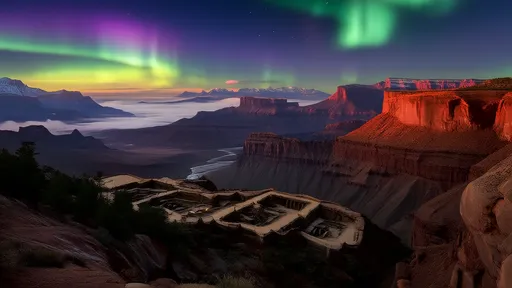
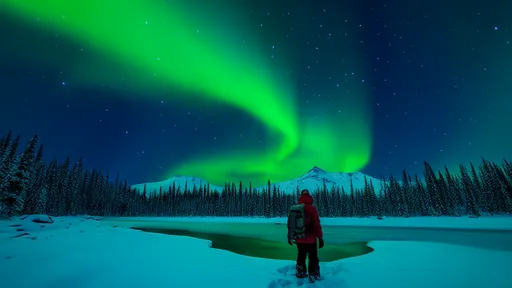
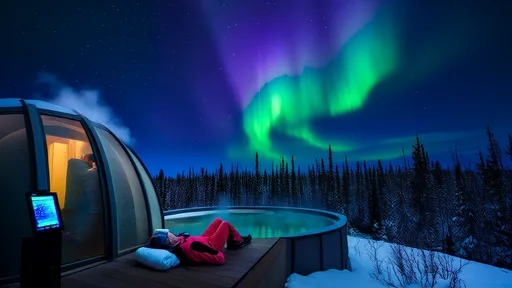
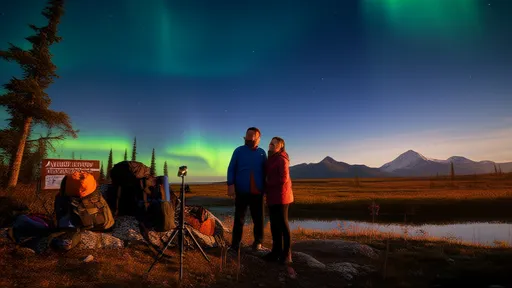
Planning a dream trip to see the Northern Lights in North America is an adventure that captures the imagination. The allure of witnessing those ethereal green and purple ribbons dance across the Arctic sky is undeniable. However, many travelers, fueled by excitement and stunning Instagram feeds, fall into common traps that can turn this magical experience into a frustrating and expensive ordeal. Two of the most significant pitfalls involve navigating the promises of tour operators and the realities of peak-season travel.
The phrase "Aurora Guarantee" is a powerful marketing tool used by countless tour companies, particularly in destinations like Alaska and the Canadian Yukon. On the surface, it sounds like a foolproof deal: if you don't see the lights, you get your money back or a free tour the next night. It’s a safety net that makes booking feel risk-free. The harsh reality, however, is often far more complicated than the sales pitch suggests. The first thing any savvy traveler must understand is that no human being, and certainly no tour company, can actually guarantee a natural phenomenon as fickle as the aurora borealis. The lights are a product of solar activity and require a specific set of conditions to be visible: solar flares must be strong enough, the sky must be clear and dark, and light pollution must be minimal.
Many companies offering these so-called guarantees attach a long list of fine-print conditions that make claiming the guarantee nearly impossible. The guarantee might only be valid if the tour itself runs, regardless of cloud cover. If the company decides the weather is too poor and cancels the tour, your "guarantee" is void because you didn't technically go on a tour where the lights weren't seen. Other stipulations might require that the official local aurora forecast, known as the KP index, be at a specific level. If the index is one point below the required number, even if you can see a faint glow, the guarantee may not apply. Some operators will offer a "free" second night, but this often traps travelers into extending their stay in a remote location with limited accommodation options, forcing them to spend more money on extra nights in a hotel just to redeem the guarantee. A more honest and often more rewarding approach is to book with companies that emphasize their expertise in chasing the lights rather than guaranteeing them. These guides use detailed weather radar and aurora forecasts to drive for hours to find clear patches of sky, significantly increasing your odds without making empty promises.
Beyond the challenge of the lights themselves lies the logistical hurdle of timing. The prime aurora viewing season, typically from late August to mid-April, coincides with periods of high tourist traffic. The winter holidays, spring break, and even the September equinox draw large crowds to popular spots like Fairbanks, Alaska, or Yellowknife, Canada. This influx of visitors creates a cascade of challenges that can detract from the wilderness experience you're seeking. The most immediate and visible symptom of peak season is the queue. Imagine standing in a long, slow-moving line in sub-zero temperatures, waiting for a shuttle bus to a viewing site, or cramming into an overcrowded lodge with hundreds of other hopeful spectators. This is the antithesis of the serene, personal encounter with nature that most people envision.
The congestion extends beyond the tour sites themselves. Rental cars, especially 4x4 vehicles suitable for winter driving, become scarce and exorbitantly expensive. Charming, well-located lodges and cabins are booked solid months, sometimes a year, in advance. Restaurants in small towns are packed, requiring long waits for a table. The very infrastructure of these remote destinations is stretched to its limit. The key to avoiding this peak-season frenzy is a combination of strategic timing and advanced planning. Consider traveling during the "shoulder seasons"—late August to early October or late March to mid-April. The weather might be slightly less predictable (though often milder), but the crowds are dramatically thinner. The aurora is still very active during these periods, and you'll have a much better chance of enjoying a more intimate and peaceful experience.
If your schedule only permits a visit during a peak week, meticulous planning is non-negotiable. Book your flights, accommodation, and rental car the moment your dates are confirmed, ideally six months to a year ahead. Research and book tours with smaller, boutique operators who limit their group sizes. While they may be more expensive, the value of being in a small group of ten instead of a busload of fifty is immense. You'll have more access to your guide for questions, a more comfortable vehicle, and the flexibility to go where the conditions are best, not just where the large buses are scheduled to go. Furthermore, think outside the box when choosing a base. Instead of the most famous towns, research smaller, less-known communities nearby that still offer excellent viewing opportunities but with a fraction of the crowds. This proactive approach transforms a potentially stressful vacation into a smooth and enjoyable journey.
Ultimately, a successful Northern Lights expedition in North America is less about luck and more about smart, informed preparation. It requires a healthy skepticism toward marketing buzzwords like "guarantee" and a realistic understanding of what it takes to chase a natural wonder. By prioritizing companies that value transparency and expertise, and by strategically planning your travel dates and bookings to avoid the masses, you dramatically increase your chances of not just seeing the aurora, but having a truly unforgettable adventure. The goal is to spend your nights looking up at the sky in awe, not down at your watch in a long line or reading the fine print of a disappointing contract. The freedom of a self-planned trip comes from the power of knowledge, allowing you to navigate the potential pitfalls and focus on the magic of the Arctic wilderness.
By /Sep 28, 2025
By /Sep 28, 2025
By /Sep 28, 2025
By /Sep 28, 2025

By /Sep 28, 2025
By /Sep 28, 2025
By /Sep 28, 2025
By /Sep 28, 2025
By /Sep 28, 2025
By /Sep 28, 2025
By /Sep 28, 2025
By /Sep 28, 2025
By /Sep 28, 2025
By /Sep 28, 2025
By /Sep 28, 2025

By /Sep 28, 2025
By /Sep 28, 2025
By /Sep 28, 2025

By /Sep 28, 2025
By /Sep 28, 2025
