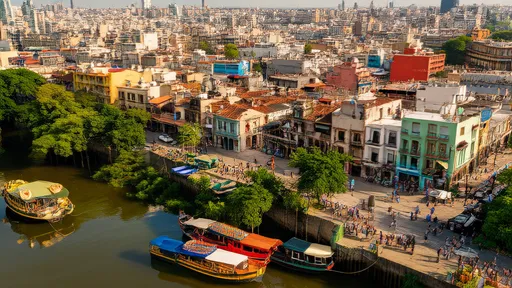
Floating through the ancient canals of Xochimilco feels like stepping into a living, breathing dream. The air, thick with the scent of wet earth and blooming flowers, carries the distant, joyous strains of a mariachi trumpet. This is not a museum piece frozen in time; it is a vibrant, pulsing celebration of Mexican culture, a testament to the enduring legacy of the Aztecs, and a crucial ecological sanctuary all at once. Located in the southern reaches of Mexico City, the Xochimilco Ecological Reserve is a world away from the city's frantic pace, a serene labyrinth of waterways where brightly colored trajineras—flat-bottomed boats adorned with arches and painted with names like "La Flor" or "El Corazón"—glide silently past.
The very ground you float upon is a relic of a magnificent past. Long before the Spanish conquest, the Valley of Mexico was dominated by a vast lake system. The Aztecs, ingenious engineers, created chinampas—long, narrow, artificial islands built by weaving together reeds and stakes and layering them with rich lake mud. These "floating gardens" were the agricultural heart of the great city of Tenochtitlan, producing enough food to sustain a massive population. Xochimilco, which means "field of flowers" in Nahuatl, was one of the primary centers of this chinampa system. When the Spanish drained the lakes to control flooding and expand the city, Xochimilco was one of the few areas where the original waterways were preserved, a watery ghost of the ancient Aztec world.
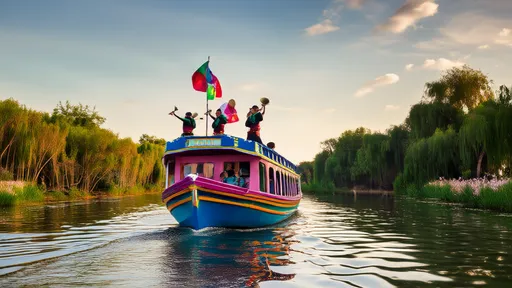
Today, embarking on a trajinera is the quintessential Xochimilco experience. These are not simple canoes; they are floating party platforms, each one a burst of vibrant color and folk art. The arched canopy, usually painted in brilliant shades of pink, blue, yellow, and green, provides shade from the sun, while the long wooden tables and benches in the center invite you to relax with friends and family. As your trajinero—the boatman—skillfully poles the craft along the canals with a long wooden pole, the world slows down. You pass under low bridges, wave to other boats filled with laughing groups, and watch the intricate life of the canals unfold.
Then, you hear it. The sound begins as a faint echo, a rhythmic strumming of guitars and the warm blast of a trumpet carried on the breeze. As the music grows louder, another trajinera comes into view, this one filled not with tourists but with musicians dressed in the iconic, ornate charro suits. This is a mariachi band, the soul of Mexico made audible. Hailing from the state of Jalisco but now a national symbol, mariachi music is an integral part of the Xochimilco soundscape. For a small fee, you can hail their boat, and they will pull alongside, serenading you with passionate ballads of love, loss, and national pride. The sound of "Cielito Lindo" or "El Rey" bouncing off the water, accompanied by the gentle lapping of waves against the boat, is an experience that resonates deep in the heart.
But Xochimilco is more than a picturesque tourist attraction; it is a vital ecological reserve recognized as a UNESCO World Heritage Site. The network of canals and chinampas acts as a crucial "lung" for Mexico City, helping to regulate its microclimate and filter its air and water. This unique wetland ecosystem is a refuge for native wildlife, most famously the axolotl. This extraordinary salamander, endemic to the Xochimilco lake system, possesses the almost magical ability to regenerate lost limbs and remains in its larval form throughout its life. Sadly, the axolotl is critically endangered due to pollution and urban encroachment, making its survival intrinsically linked to the health of these very waters. Conservation efforts are ongoing, with scientists and local farmers working to restore the water quality and create sanctuaries for this ancient creature.
The lifeblood of Xochimilco continues to be the chinamperos, the farmers who cultivate the chinampas using traditional methods passed down through generations. As you drift along, you'll see them tending to plots bursting with vegetables, herbs, and the iconic flor de Xochimilco—the area's famous flowers. This agricultural practice is not only sustainable but also incredibly productive, a living example of pre-Hispanic ingenuity that still feeds the city. Many trajineras are accompanied by smaller canoes piloted by vendors selling everything from steaming corn on the cob and tacos to refreshing micheladas and souvenirs, adding another layer of color and commerce to the aquatic thoroughfare.
A journey through Xochimilco is a journey through layers of Mexican history and identity. It is a place where the ancient and the contemporary coexist. The same canals that once carried Aztec merchants now carry celebrants to lively parties. The same fertile soil that grew food for an empire now supplies modern markets. The music of the mariachi, a relatively modern tradition, fills the air of a landscape shaped millennia ago. This unique fusion is what makes Xochimilco so special. It is not a relic to be observed from a distance but a living, working, celebrating community. It is a reminder of the city's aquatic origins and a hopeful symbol of ecological preservation. To ride a trajinera in Xochimilco is to connect with the deep, flowing currents of Mexican culture, to understand that its past is not dead, but merely floating gently alongside its vibrant, musical present.

By /Sep 28, 2025

By /Sep 28, 2025

By /Sep 28, 2025

By /Sep 28, 2025
By /Sep 28, 2025

By /Sep 28, 2025
By /Sep 28, 2025

By /Sep 28, 2025

By /Sep 28, 2025

By /Sep 28, 2025

By /Sep 28, 2025
By /Sep 28, 2025
By /Sep 28, 2025
By /Sep 28, 2025

By /Sep 28, 2025

By /Sep 28, 2025
By /Sep 28, 2025

By /Sep 28, 2025

By /Sep 28, 2025

By /Sep 28, 2025
