There exists a secret South America known only to budget travelers, a continent traversed not by plane but by winding highways, where the real journey happens between destinations. This is the world of long-distance buses and bustling hostels, a network that unlocks the continent's soul without draining your savings. Forget package tours and rushed itineraries; here, the rhythm is slower, the connections deeper, and the adventure truly your own.
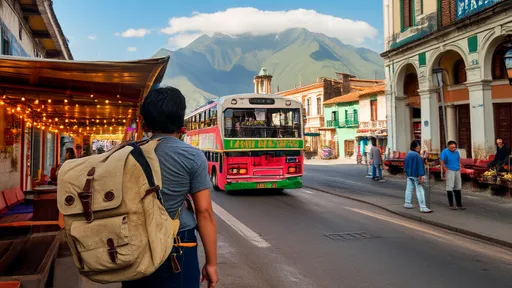
The backbone of this travel philosophy is the continent's extensive and surprisingly comfortable long-distance bus system. For many first-time visitors, the idea of a 20-hour bus ride might seem daunting, but it's a quintessential South American experience. Companies like Cruz del Sur in Peru or Pluma in Argentina offer a level of service that puts many airlines to shame. We're not talking about rickety old school buses; these are modern coaches with seats that recline into near-beds, known as cama or semi-cama. Attendants serve meals and drinks, and onboard entertainment systems show movies as the Andes roll by your window. A journey from Lima to Cusco becomes less a transit leg and more an epic, scenic passage through coastal deserts, high plains, and majestic mountain peaks.
Beyond the comfort, the bus is where you meet the continent. You'll share snacks with a family heading home, get tips from a student on where to find the best empanadas in a town you've never heard of, and watch the landscape transform outside your window in a way a one-hour flight can never offer. The night bus, in particular, is a budget traveler's best friend. You save on a night's accommodation while covering vast distances, waking up in a new city ready to explore. It demands a certain flexibility and patience, but the rewards are immense. Delays are part of the story, and a bus breaking down in a small village can lead to an unplanned, unforgettable afternoon of local hospitality.
Your home away from home in each new city will undoubtedly be a hostel. The modern South American hostel is a far cry from the dingy, overcrowded stereotypes of the past. From the party-centric hostels of Cusco and Buenos Aires to the serene, eco-friendly lodges in the Colombian coffee region or the Chilean Lake District, there is a vibe for every traveler. The key is the social atmosphere. Hostels are designed for connection. Communal kitchens become impromptu international potlucks, courtyard hammocks are perfect for swapping stories, and the nightly asado (barbecue) or pub crawl facilitates instant friendships. The staff, often seasoned travelers themselves, are fountains of local knowledge, pointing you to free walking tours, hidden waterfalls, or the best exchange rates.
This style of travel allows for a fluid itinerary. You might plan to spend three days in a place but end up staying a week because of the people you meet or a local festival you discover. This spontaneity is the luxury of budget travel. You're not locked into expensive, non-refundable flights between capitals. Instead, you can hop on a local bus to a nearby colonial town or a remote national park because you heard a rumor it was unmissable. The freedom to follow the wind, or a fellow traveler's recommendation, is priceless.
Let's talk logistics and cost. A typical long-haul overnight bus in a semi-cama seat might cost between $30 to $60, depending on the country and distance. A dorm bed in a good hostel ranges from $10 to $20 per night. Compare that to a $200 flight and a $100 hotel room, and the savings are astronomical. This financial efficiency means you can travel for months, not weeks. Your money goes towards experiences: learning to surf in Montañita, Ecuador; hiking the Rainbow Mountain in Peru; or dancing tango until dawn in Buenos Aires. You learn to live like a local, shopping at markets for fresh fruit and bread, and mastering the city's public transit system.
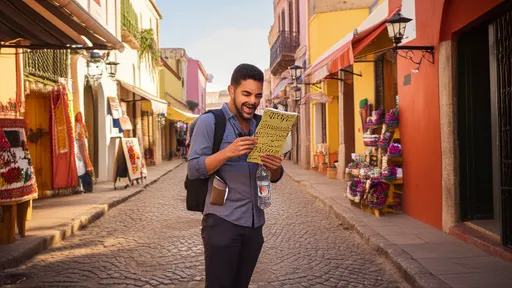
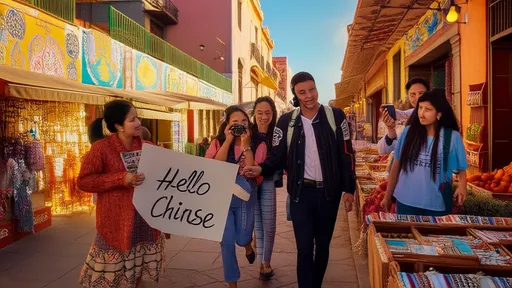
Of course, this path requires a bit more preparation. Pack light—a sturdy backpack is your best friend. A good book, a power bank for your devices, and a warm layer for the often-over-air-conditioned buses are essential. Learn basic Spanish phrases; while you can get by in tourist hubs with English, a simple "Hola" and "Gracias" will open doors and hearts in smaller towns. Be smart about security, just as you would anywhere, by using lockers for your valuables and keeping your wits about you in bus stations.
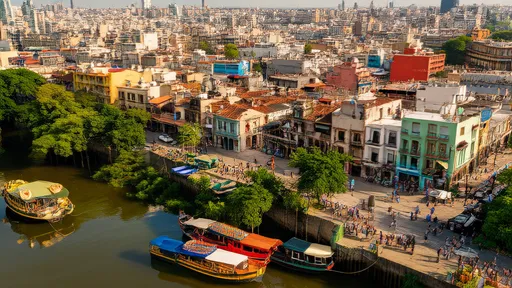
This is not a sanitized, curated tour of South America. It's a raw, real, and deeply personal immersion. It's the feeling of arriving in a new city at 5 a.m., sharing a taxi from the bus terminal to the hostel with strangers who become friends, and watching the sun rise from a rooftop terrace over a skyline you've never seen before. It's the camaraderie forged over a shared bottle of wine on a long journey and the satisfaction of navigating a complex border crossing by yourself. It’s about the journey itself becoming the destination. So, if you're seeking an adventure that is as much about the people you meet and the landscapes you traverse as the stamps in your passport, then grab your backpack, buy a bus ticket, and let South America reveal itself to you, one kilometer at a time.

By /Sep 28, 2025

By /Sep 28, 2025

By /Sep 28, 2025

By /Sep 28, 2025
By /Sep 28, 2025

By /Sep 28, 2025

By /Sep 28, 2025

By /Sep 28, 2025

By /Sep 28, 2025

By /Sep 28, 2025

By /Sep 28, 2025
By /Sep 28, 2025
By /Sep 28, 2025
By /Sep 28, 2025

By /Sep 28, 2025
By /Sep 28, 2025
By /Sep 28, 2025

By /Sep 28, 2025

By /Sep 28, 2025

By /Sep 28, 2025
