Mexico is witnessing a quiet revolution in its tourism sector, one that speaks Mandarin. As the number of Chinese travelers opting for independent exploration over packaged tours continues to soar, a significant gap emerged: the language barrier. Recognizing this immense opportunity, Mexico has embarked on a strategic, nationwide initiative to cultivate a new generation of tourism professionals fluent in the language and customs of the Middle Kingdom. This concerted effort is not merely about translating words; it's about building bridges, ensuring that the warmth of Mexican hospitality is felt clearly and personally by one of the world's most valuable travel markets.
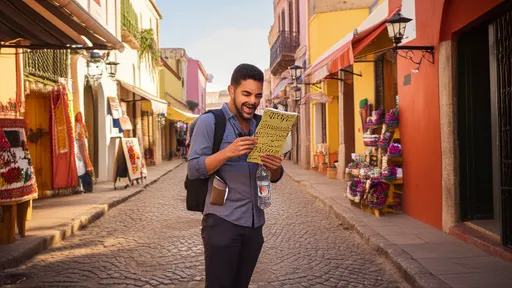
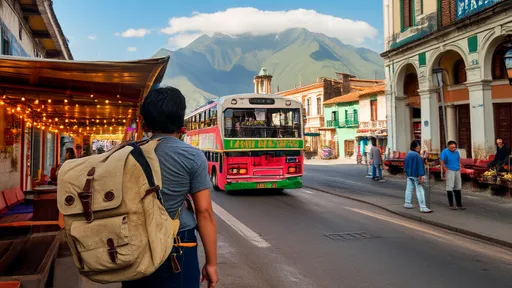
The impetus for this shift is rooted in a dramatic change in Chinese travel habits. For years, Chinese tourists primarily traveled in large, pre-arranged groups, shepherded by Mandarin-speaking guides on tightly scheduled itineraries that touched upon well-trodden paths in North America and Europe. However, a new, more affluent, and sophisticated generation of travelers is emerging. These independent explorers, often younger and tech-savvy, crave authentic experiences. They want to wander through local markets, discover hidden culinary gems, and interact with residents on their own terms. This trend towards Free Independent Travel (FIT) has placed destinations like Mexico, with its rich tapestry of ancient cultures, stunning landscapes, and vibrant cities, squarely on their radar. The challenge, however, was that outside of major resort areas, Mandarin was scarcely heard.
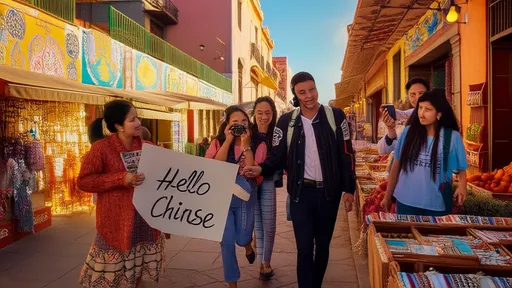
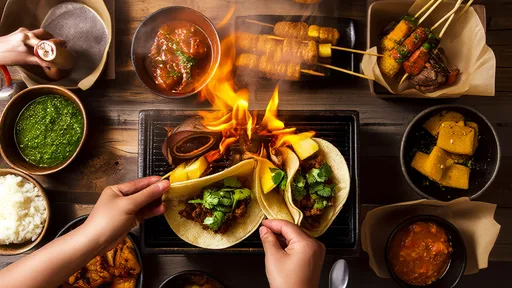
Mexico's response has been both proactive and systematic. The Mexican government, in collaboration with the Ministry of Tourism and various state tourism boards, has launched specialized training programs targeting current and aspiring tour guides. These are not simple language courses. They are comprehensive cultural immersion programs. Participants delve into the nuances of Mandarin, focusing on practical, tourism-related vocabulary—from explaining the historical significance of a Mayan archaeological site to recommending the perfect taco stand. More importantly, the curriculum includes deep dives into Chinese culture, etiquette, and consumer expectations. Guides learn about the importance of face-saving, common dining customs, and the specific preferences Chinese travelers might have, such as the availability of hot water or familiarity with popular Chinese digital payment platforms.
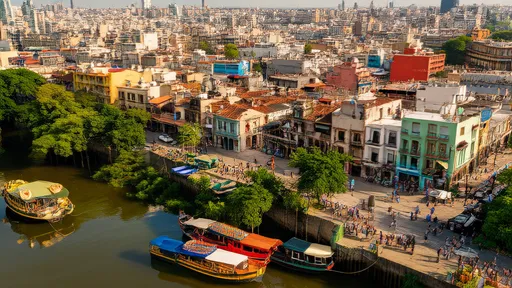
Educational institutions across the country are also playing a pivotal role. Universities and specialized language schools in key tourist destinations like Mexico City, Cancun, Guadalajara, and Los Cabos are now offering diploma and certification programs in Tourism Chinese. These programs often include partnerships with Confucius Institutes or cultural exchange programs with China, bringing native Mandarin speakers into the classroom to ensure authentic language acquisition. The goal is to create a sustainable pipeline of qualified professionals, ensuring that this is not a fleeting trend but a long-term investment in the country's tourism infrastructure.
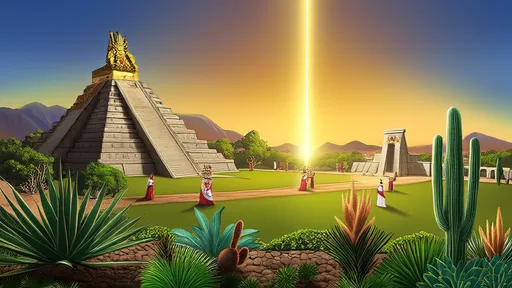
The impact on the ground is already palpable. For the Chinese free independent traveler, the difference is transformative. Gone are the days of relying solely on translation apps that often falter with context and nuance. They can now engage with local experts who not only speak their language but also understand their cultural perspective. A guide in Mexico City can eloquently draw parallels between the ancient Aztec civilization and China's own dynastic history, creating a deeper, more meaningful connection. In the state of Yucatán, a guide can explain the celestial alignments of Chichen Itza with a fluency that brings the Mayan cosmos to life. This level of communication transforms a simple vacation into an enriching educational journey.
This enhanced communication fosters a greater sense of security and confidence among travelers. They feel empowered to venture beyond the hotel zone, to explore colonial towns like San Miguel de Allende, or to embark on a road trip along the Baja California peninsula. They can ask detailed questions about ingredients in a local dish, negotiate prices in a market, or simply have a genuine conversation with a local artisan. This autonomy is precisely what the modern Chinese traveler seeks, and Mexico's investment in language skills is directly enabling it.
From an economic standpoint, the benefits for Mexico are substantial. Chinese tourists are among the highest-spending visitors globally. By catering directly to their desire for personalized, deep-travel experiences, Mexico is positioning itself to capture a larger share of this lucrative market. Well-informed and satisfied tourists are more likely to extend their stays, explore more regions, and return in the future. Positive word-of-mouth and glowing reviews on Chinese social media platforms like Weibo and Xiaohongshu are invaluable marketing tools, creating a virtuous cycle that attracts even more independent travelers.
Furthermore, this initiative is fostering people-to-people connections that extend beyond economics. When a Mexican guide shares a laugh with a Chinese family over a shared meal, or when they work together to find a solution to a travel hiccup, it builds genuine goodwill. These micro-level interactions contribute to a stronger, more positive bilateral relationship between the two nations. It moves the perception of Mexico in China beyond stereotypes of beaches and tequila, showcasing its depth as a country of profound history, creativity, and warmth.
Of course, challenges remain. Scaling these programs to ensure a sufficient number of qualified guides across the country's vast and diverse tourist destinations is an ongoing task. Maintaining the quality of training and ensuring that cultural sensitivity remains a core component is crucial. However, the commitment from both public and private sectors suggests a strong and sustained effort.
In essence, Mexico's strategic focus on cultivating Chinese-speaking guides is a masterclass in adaptive tourism. It is a clear recognition that in the 21st century, welcoming the world means speaking its many languages. By empowering its guides to become true cultural ambassadors, Mexico is not just making it easier for Chinese tourists to communicate; it is inviting them to truly listen, understand, and fall in love with the complex, beautiful symphony of Mexican culture. This investment in language is, ultimately, an investment in connection, ensuring that the story of Mexico is told—and heard—in every corner of the globe.
By /Sep 28, 2025

By /Sep 28, 2025

By /Sep 28, 2025
By /Sep 28, 2025
By /Sep 28, 2025

By /Sep 28, 2025

By /Sep 28, 2025

By /Sep 28, 2025

By /Sep 28, 2025

By /Sep 28, 2025
By /Sep 28, 2025
By /Sep 28, 2025
By /Sep 28, 2025
By /Sep 28, 2025

By /Sep 28, 2025
By /Sep 28, 2025
By /Sep 28, 2025

By /Sep 28, 2025

By /Sep 28, 2025

By /Sep 28, 2025
