For the intrepid traveler, the Americas offer a staggering array of experiences, from the celestial dance of the aurora borealis in the northern reaches to the humid, teeming life of equatorial rainforests and the silent, stone whispers of ancient cities. Timing, however, is everything. The continent's vast geographical and climatic diversity means that the perfect moment for one adventure could be the off-season for another. Understanding these rhythms is the key to unlocking an unforgettable journey.
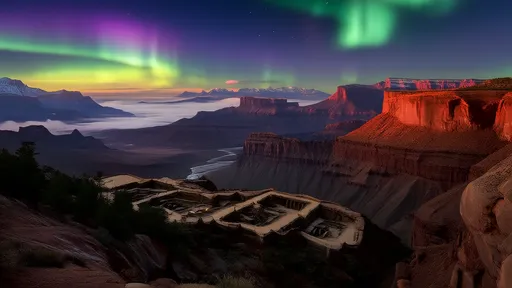
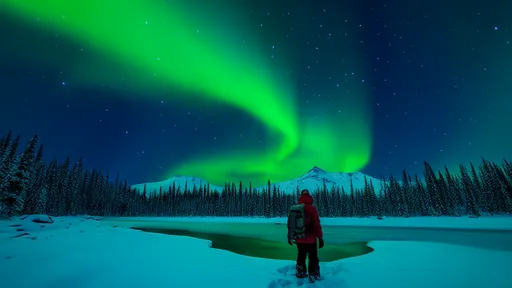
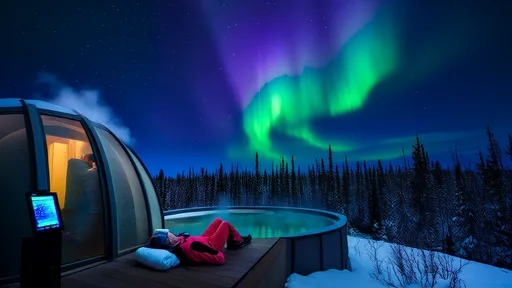
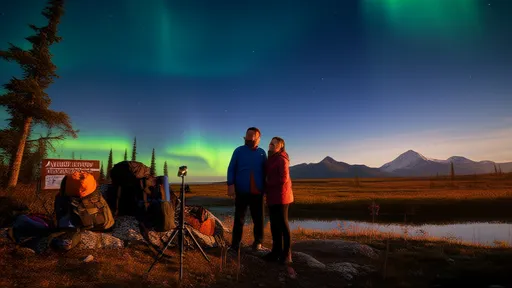
The quest to witness the Northern Lights, or Aurora Borealis, is a pilgrimage to the planet's most spectacular light show. This phenomenon is not a winter constant but a reward for those who brave the specific conditions of the high-latitude night. The prime window for this ethereal display is during the deep winter months, from late September to early April. During this period, the long, dark nights provide the necessary canvas for the sun's charged particles to paint the sky. While the lights are theoretically visible whenever it's dark, the peak season for intensity and frequency is generally considered to be around the winter solstice in December and the weeks surrounding the equinoxes in March and September, when solar activity interacts more potently with Earth's magnetic field.
Location is paramount. While Alaska and parts of northern Canada offer stunning vistas, destinations like Yellowknife in Canada's Northwest Territories or Fairbanks, Alaska are legendary for their high probability of sightings due to their position directly under the "Auroral Oval." Travelers must be prepared for extreme cold; temperatures can plummet to -30°C (-22°F) or lower. This is not a passive experience. It involves waiting for hours in the frigid darkness, often on guided tours that take you away from city lights. The payoff, however, is a sight that transcends mere tourism—a humbling, awe-inspiring connection with the forces of our solar system.
In stark contrast to the Arctic's icy silence, the rainforests of the Americas pulse with life. From the unparalleled biodiversity of the Amazon Basin spanning nine countries to the mystical cloud forests of Costa Rica and Monteverde, hiking these ecosystems requires careful timing around rainfall. The goal is to find a balance: enough rain to keep the forest vibrant and waterways navigable, but not so much that trails become impassable quagmires and insect life becomes overwhelming.
For the Amazon, this sweet spot often occurs during the dry season, which varies by region. In the Peruvian Amazon around Iquitos, the drier months from June to November see river levels drop, exposing forest trails and making wildlife easier to spot as animals congregate around remaining water sources. Conversely, the wet season (December to May) allows for greater exploration by boat, penetrating deeper into flooded forests (várzea) but making terrestrial hiking difficult. In Central American rainforests, such as those in Costa Rica, the dry season from December to April is ideal for hiking, with sunnier days and more manageable paths. However, the shoulder months of May or November can be rewarding for the brave, offering lush landscapes with fewer tourists, albeit with a higher chance of afternoon downpours.
Regardless of the season, hiking a rainforest is a humid, immersive challenge. It is a sensory overload—the cacophony of howler monkeys, the scent of damp earth and blooming flowers, and the constant buzz of insects. This is an adventure that demands respect for the environment, proper guidance, and a willingness to embrace the elements.
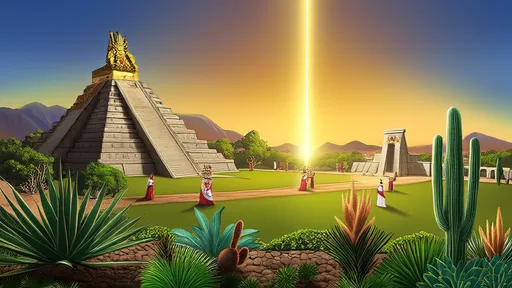
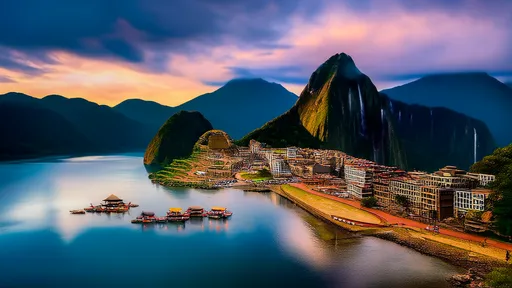
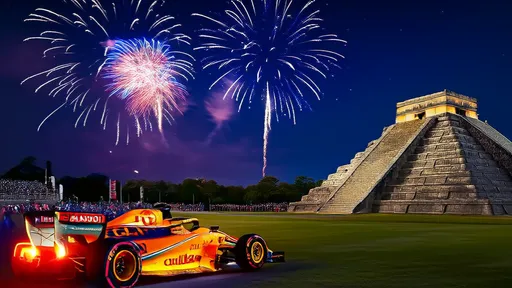
The ancient civilizations of the Americas left behind stone testaments to their ingenuity and spirit, from the Mayan pyramids piercing the jungles of Mexico and Guatemala to the sprawling Inca citadel of Machu Picchu in Peru. Exploring these archaeological wonders is often best aligned with pleasant weather conditions, typically during the dry season. For the magnificent sites of the Maya world—Chichén Itzá in Mexico, Tikal in Guatemala, Copán in Honduras—the ideal time is from November to April. During these months, the humidity is lower, and rainfall is minimal, making exploration of vast ceremonial complexes far more comfortable. The winter months also avoid the intense heat of late spring.
The journey to Machu Picchu in Peru follows a similar pattern. The dry season, running from April to OctoberApril-May and September-October often present a excellent compromise, with generally good weather and slightly thinner crowds. Exploring these ancient cities is more than a history lesson; it is a walk through time, where one can almost feel the presence of the people who built these monumental achievements.
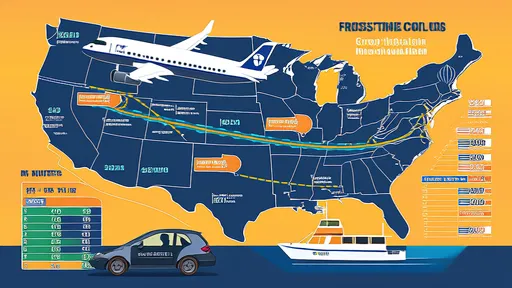
When planning a Pan-American adventure, the continental scale presents a unique logistical puzzle. A dream itinerary might involve chasing the aurora in Alaska in late March, then heading south to hike in Costa Rica's rainforests during its dry season peak in February or March, before concluding with the ancient ruins of Peru in its optimal window of May or September. While theoretically possible, such a trip would be a monumental undertaking. A more practical approach is to focus on one or two regions within a single optimal season or to embrace the concept of "shoulder seasons," traveling during the transitional periods between peak and off-peak times. This often yields a more balanced experience with fewer crowds, even if it requires a slight compromise on perfect weather conditions.
Ultimately, the best time to travel through the Americas depends entirely on the story you wish to live. Do you seek the silent, crystalline awe of the Arctic night, the vibrant, chaotic symphony of the rainforest, or the profound, echoing wisdom of ancient stones? Each calls for a different season, a different preparation, and a different frame of mind. By aligning your journey with the natural and climatic rhythms of this vast continent, you transform a simple vacation into a deeply resonant encounter with the world's most magnificent landscapes and histories.
By /Sep 28, 2025
By /Sep 28, 2025

By /Sep 28, 2025
By /Sep 28, 2025
By /Sep 28, 2025
By /Sep 28, 2025
By /Sep 28, 2025

By /Sep 28, 2025
By /Sep 28, 2025
By /Sep 28, 2025
By /Sep 28, 2025
By /Sep 28, 2025
By /Sep 28, 2025
By /Sep 28, 2025
By /Sep 28, 2025
By /Sep 28, 2025
By /Sep 28, 2025
By /Sep 28, 2025

By /Sep 28, 2025
By /Sep 28, 2025
