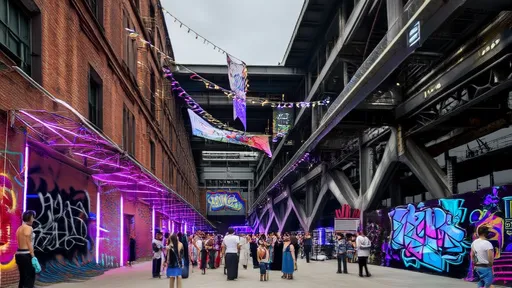
The 798 Art Festival has once again transformed Beijing's iconic industrial landscape into a sprawling canvas of contemporary expression, this year embracing the ambitious theme of cultivating an open, growing, multidimensional field to showcase artistic innovation. Stepping into the vast expanse of the 798 Art District feels less like entering a conventional gallery and more like immersing oneself in a living, breathing organism where art is not merely displayed but actively germinates, evolves, and interacts with its environment and audience. The festival curators have masterfully orchestrated an experience that dismantles traditional boundaries, encouraging a fluid dialogue between the physical space, the artworks, and the public.
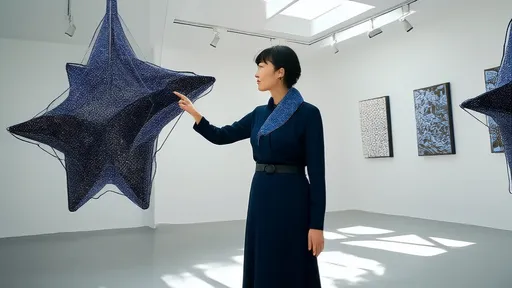
At the heart of this year's concept is the idea of openness. This is manifested not just in the physical accessibility of the exhibitions, many of which spill out from former factory workshops into courtyards, alleyways, and public squares, but also in the conceptual openness of the works themselves. Artists have been invited to create pieces that are inherently unfinished, responsive, or participatory. One encounters installations that change with the weather, soundscapes that incorporate the ambient noise of the district, and performances that invite spontaneous collaboration from passersby. This approach rejects the notion of art as a static, untouchable object sealed behind velvet ropes. Instead, it posits art as a dynamic process, a conversation starter that thrives on interaction. The very architecture of 798, with its high ceilings and raw, unfinished textures, provides the perfect skeleton for this flesh of open-ended creativity, allowing ideas to breathe and expand without constraint.
The principle of growth is woven into the fabric of the festival's programming. Several long-term projects are designed to unfold over the entire duration of the event, visibly transforming from week to week. A collective of bio-artists, for instance, has established a "living gallery" where sculptures made from mycelium and other organic materials grow, decay, and regenerate in real-time, offering a poignant commentary on cycles of life and sustainability. Another project involves a digital mural that is continuously updated by a network of international artists, each adding their layer to a collective visual narrative. This emphasis on growth challenges the ephemeral nature of most art fairs, suggesting that the true value of such a gathering lies in its potential to nurture lasting creative developments and foster a sense of continuous evolution rather than a final, consumable product.
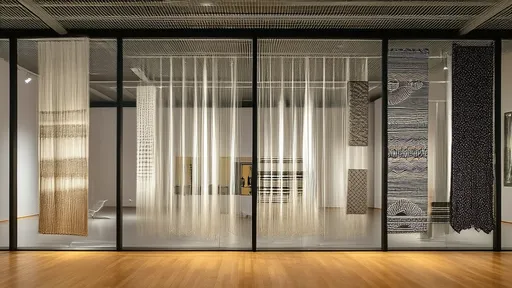
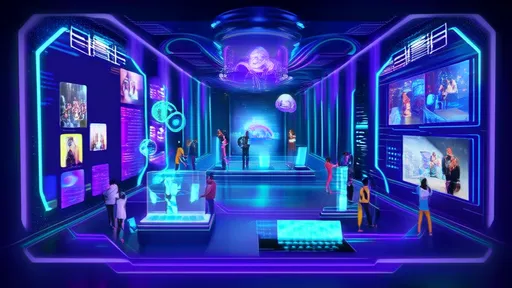
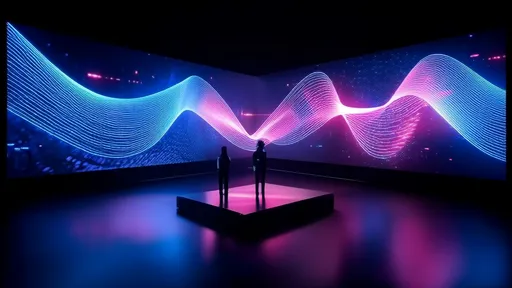
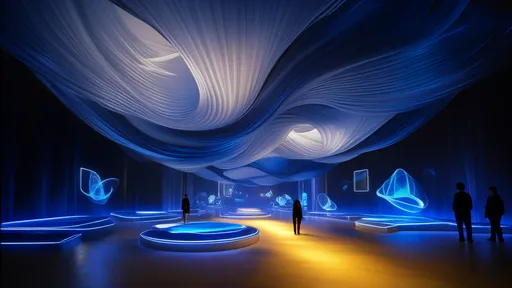
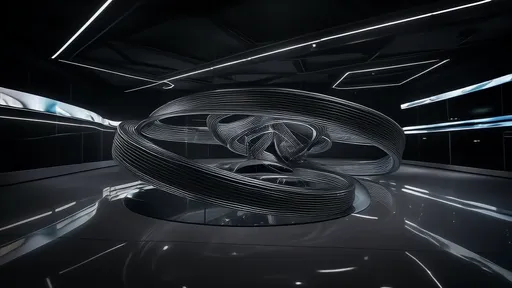
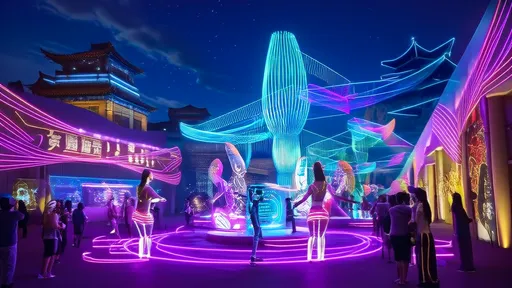
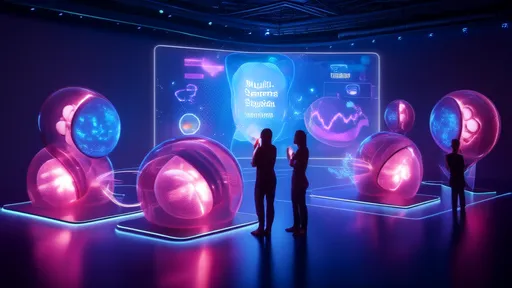
Creating a multidimensional field is perhaps the most visually striking achievement of this year's festival. The curators have skillfully exploited the district's unique spatial qualities to create layered experiences that engage all the senses. Visitors find themselves moving through a carefully choreographed sequence of environments. One moment, they are in a dimly lit, cavernous hall where large-scale video projections map onto the existing industrial machinery, creating an awe-inspiring fusion of the past and the future. The next, they emerge into a sun-drenched courtyard where delicate kinetic sculptures respond to the breeze, and the air is filled with an olfactory installation diffusing scents inspired by forgotten industrial processes. This multidimensionality extends to the intellectual realm as well, with a program of talks, workshops, and symposiums that run parallel to the visual arts, adding layers of critical discourse and theoretical depth to the sensory overload. The field is not just physical but also conceptual, temporal, and social.
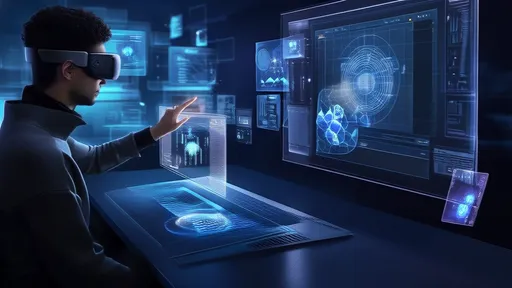
The festival serves as a powerful platform for artistic innovation practice, highlighting methodologies that push beyond traditional mediums. There is a significant emphasis on interdisciplinary work, where the lines between technology, science, and art are deliberately blurred. One standout exhibition features artists collaborating with AI algorithms, not as a tool for mere replication, but as a creative partner, generating unexpected visual forms and challenging notions of authorship. Another project explores the potential of new materials, with artists working with graphene, responsive polymers, and recycled electronics to create works that are as much about material science as they are about aesthetic form. This focus on practice over product underscores a shift in the contemporary art world towards valuing the research, experimentation, and problem-solving inherent in the creative act itself.
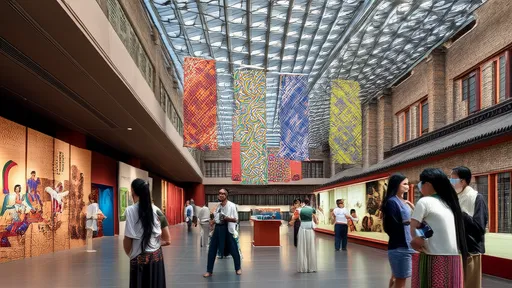
Beyond the individual artworks, the social dimension of this "multidimensional field" is palpable. The festival has become a vibrant agora, a meeting point for artists, collectors, critics, students, and curious tourists from around the globe. This convergence of diverse perspectives is essential to the festival's goal of being an open system. Spontaneous discussions erupt in front of controversial pieces, networking happens organically in cafe corners, and collaborations are born from chance encounters. This social ecosystem is a crucial component of the art's growth, providing feedback, inspiration, and a sense of community that sustains creative practice long after the festival banners are taken down. The art district itself functions as a microcosm of an idealized cultural sphere, one that is permeable, inclusive, and constantly in flux.
In conclusion, the 798 Art Festival's endeavor to craft an open, growing, multidimensional field has proven to be a resounding success. It has moved beyond the model of a simple art market or a passive viewing experience. Instead, it has established itself as a vital laboratory for the future of artistic practice. By prioritizing process over product, interaction over observation, and ecosystem over exhibition, the festival offers a compelling blueprint for how large-scale cultural events can remain relevant and impactful in the 21st century. It demonstrates that the most powerful art is not that which is simply seen, but that which is experienced, questioned, and contributes to an ongoing, ever-expanding conversation. The fields planted within 798's industrial walls are indeed growing, and their harvest promises to influence the landscape of contemporary art for years to come.
By /Sep 26, 2025
By /Sep 26, 2025
By /Sep 25, 2025
By /Sep 25, 2025
By /Sep 26, 2025
By /Sep 26, 2025
By /Sep 25, 2025
By /Sep 26, 2025
By /Sep 26, 2025
By /Sep 25, 2025
By /Sep 25, 2025
By /Sep 25, 2025
By /Sep 26, 2025
By /Sep 26, 2025
By /Sep 25, 2025
By /Sep 26, 2025
By /Sep 25, 2025
By /Sep 25, 2025
By /Sep 26, 2025
By /Sep 25, 2025
