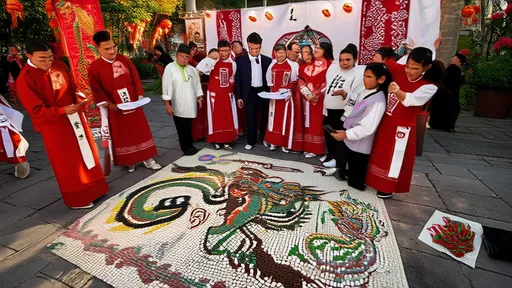
The Chinese Consulate General in Hamburg recently hosted a remarkable art exhibition, a vibrant tapestry woven from the threads of Sino-German cultural exchange. Acting Consul General Wang Wei, in his opening address, emphasized that the event was far more than a simple display of artistic talent; it was a profound narrative, a living testament to the deep-rooted and enduring friendship between the peoples of China and Germany. The exhibition hall, filled with a diverse audience of diplomats, local dignitaries, artists, and citizens, buzzed with an atmosphere of shared appreciation and mutual respect, setting the stage for an evening dedicated to celebrating a bond that has flourished over decades.
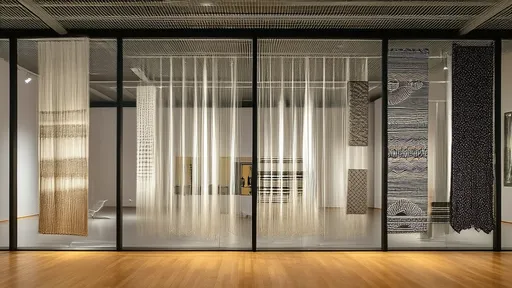
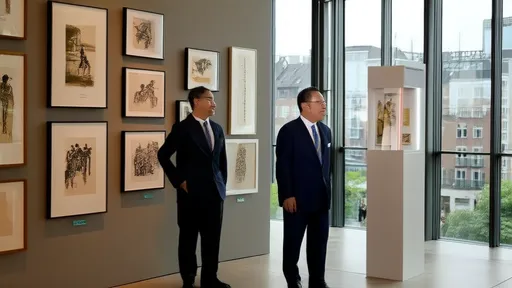
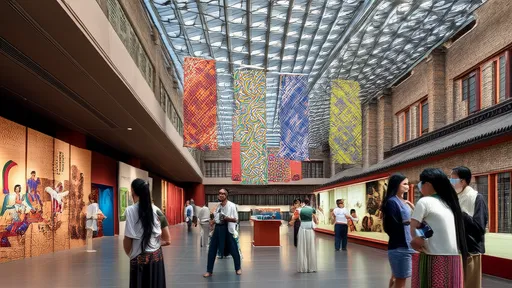
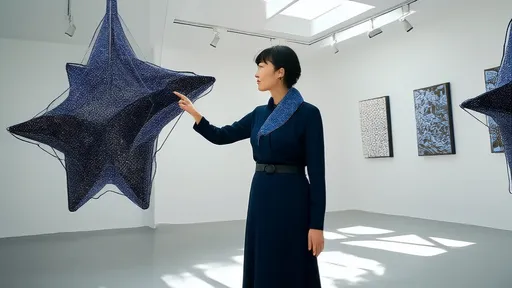
The exhibition itself served as a dynamic dialogue between two rich cultural heritages. On one wall, classical Chinese ink wash paintings depicting misty mountains and serene bamboo groves spoke of a philosophical tradition valuing harmony with nature. Opposite them, bold German Expressionist works and intricate Bauhaus-influenced designs showcased a legacy of innovation, intellectual rigor, and a distinct modernist aesthetic. Yet, the most compelling pieces were those that occupied the middle ground—collaborative works where Chinese calligraphy met German typography, or sculptures that blended traditional Chinese ceramic techniques with contemporary European forms. These hybrid creations were not mere fusions; they were conversations, each piece asking and answering questions about form, space, and meaning across cultural divides.
Acting Consul General Wang noted that the relationship between China and Germany is built on a foundation that extends far beyond economic partnership and political dialogue. It is anchored in a mutual fascination and a genuine respect for each other's historical journeys and cultural achievements. He recounted the long history of intellectual exchange, from the writings of Goethe and Schiller being studied in China to the profound influence of German philosophy on modern Chinese thought. "This exhibition," he stated, "is a contemporary chapter in that long story. It demonstrates that our friendship is not a relic of the past but a living, breathing, and constantly evolving entity. Art has the unique power to bypass political rhetoric and speak directly to the human heart, reminding us of our shared humanity."
The selection of artworks was meticulously curated to tell this story of interconnection. A series of photographs documented the sister-city relationships between Hamburg and Shanghai, and other Chinese and German cities, capturing moments of collaboration in business, science, and education. Another section was dedicated to the experiences of Chinese students in Germany and German students in China, their personal stories and artistic interpretations providing a poignant, ground-level view of the cultural exchange. Their works reflected the challenges of adaptation, the joy of discovery, and the forging of lifelong friendships, embodying the very essence of the exhibition's theme.
Beyond the visual feast, the event was a hub for intellectual and social engagement. Roundtable discussions brought together curators, historians, and artists from both nations to delve deeper into the themes presented. They explored how cultural diplomacy, through mediums like art, music, and literature, can build resilient bridges of understanding that withstand the shifting tides of international politics. The conversations were candid and forward-looking, addressing not only the successes of the past but also the potential for future collaboration in addressing global challenges through a shared cultural lens.
The resonance of the exhibition with the local German community was palpable. Many visitors expressed their admiration for the depth and diversity of Chinese art, which for some was an introduction to aspects of the culture they had never encountered before. Similarly, Chinese expatriates felt a sense of pride seeing their heritage presented with such sophistication and context within their host country. This two-way appreciation is the bedrock of meaningful cultural exchange. It moves beyond superficial curiosity to a deeper, more empathetic understanding. It fosters a environment where stereotypes are dismantled and replaced with nuanced, personal connections.
In today's complex global landscape, where misunderstandings can easily arise, initiatives like the Hamburg art exhibition are more critical than ever. They provide a neutral, creative space for people to connect on a human level, separate from the often-contentious arenas of trade and geopolitics. The soft power of cultural diplomacy lies in its ability to build trust and goodwill incrementally, creating a reservoir of positive sentiment that can positively influence broader bilateral relations. The success of this event in Hamburg is a powerful example of how cities and local communities can act as vital engines for international friendship.
As the evening drew to a close, the guests lingered, engaged in animated conversations in front of the artworks. The exhibition had achieved its primary objective: it had not just been viewed but experienced. It had sparked dialogues that would continue long after the paintings were taken down from the walls. The enduring image was not of any single masterpiece, but of people from different worlds finding common ground through a shared appreciation for beauty and creativity. The art exhibition, as orchestrated by the Chinese Consulate General, successfully translated the abstract concept of "traditional friendship" into a tangible, emotionally resonant reality, promising a future for Sino-German relations that is as collaborative and vibrant as the art on display.
By /Sep 26, 2025
By /Sep 26, 2025
By /Sep 25, 2025
By /Sep 25, 2025
By /Sep 26, 2025

By /Sep 26, 2025
By /Sep 25, 2025
By /Sep 26, 2025
By /Sep 26, 2025
By /Sep 25, 2025

By /Sep 25, 2025
By /Sep 25, 2025
By /Sep 26, 2025
By /Sep 26, 2025
By /Sep 25, 2025
By /Sep 26, 2025
By /Sep 25, 2025
By /Sep 25, 2025
By /Sep 26, 2025
By /Sep 25, 2025
