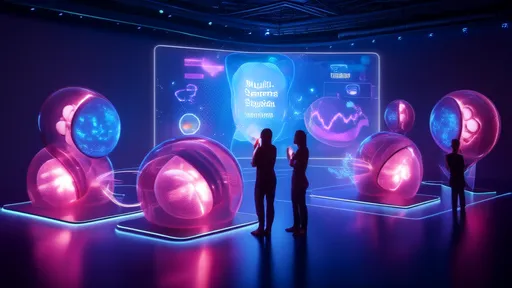
The city's art scene is buzzing with anticipation as the "Multi-Sensory · Symbiosis" Festival prepares to unveil its latest iteration. This year, the festival boldly positions itself at the electrifying crossroads of art and technology, promising an experience that fundamentally reimagines the role of the audience. The central theme, "Tech-Crossover: Reshaping Audience Participation," signals a deliberate move away from passive observation towards active, immersive co-creation.
Gone are the days of hushed galleries and silent observation. The festival's curators are championing a new paradigm where the line between the artwork and the observer is not just blurred but often erased. The objective is clear: to foster a symbiotic relationship where the audience's presence, movements, and choices become integral components of the art itself. This is not merely about viewing art; it's about living within it, influencing its narrative, and becoming a part of its very fabric.
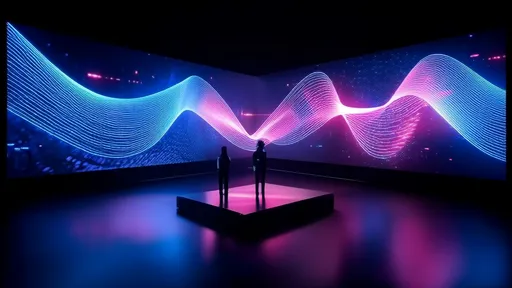
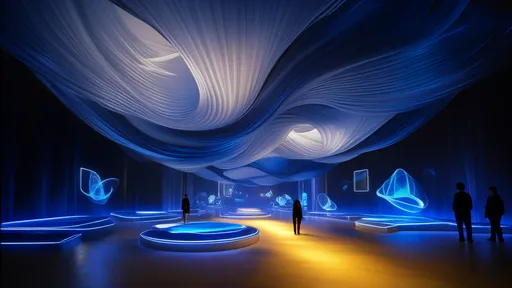
One of the most talked-about installations is "Echoes of Lumina," a vast, dark room filled with responsive light particles. Instead of following a predetermined path, the lights react in real-time to the sounds, gestures, and even the heartbeats of visitors, detected through subtle biometric sensors. A collective sigh from the crowd might cause a soft, wave-like pulse through the space, while an individual's sudden movement could trigger a cascade of light. The piece has no fixed form; its beauty and complexity are directly shaped by the collective and individual behaviors of its participants. It’s a stunning demonstration of how technology can translate human presence into a dynamic visual symphony.
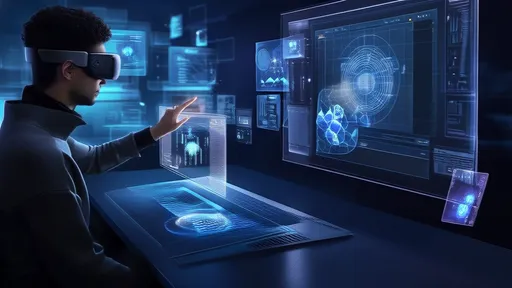
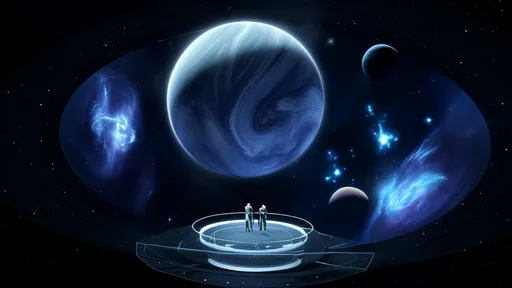
Another groundbreaking project, "Neural Nexus," ventures into even more intimate territory. Participants are invited to don lightweight EEG headsets that monitor their brainwave patterns. These neural signals are then fed into a complex algorithm that generates evolving, abstract visual landscapes on a giant panoramic screen. The calm, focused mind might conjure serene, flowing patterns, while a more agitated state could produce sharp, fragmented geometries. The artwork becomes a externalization of the internal, private world of the mind, creating a deeply personal and unique experience for each participant while also contributing to a larger, collective data-pool that influences the overall environment.
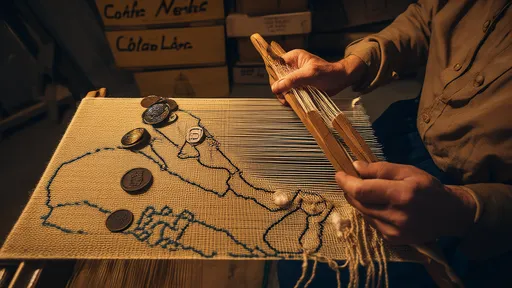
The festival also explores the concept of distributed authorship through "The Weaving Code." This interactive digital tapestry is projected across an entire wall, its patterns and colors shifting continuously. Visitors contribute to the artwork using their smartphones, accessing a simple interface that allows them to input code snippets or choose visual elements. Each contribution alters the tapestry's algorithm, weaving the digital choices of hundreds of participants into a single, ever-evolving masterpiece. It raises fascinating questions about collective creativity and the new forms of art that can emerge when technology enables mass collaboration on an aesthetic level.
Beyond visual spectacles, the festival engages the auditory senses in revolutionary ways. "Sonic Arboretum" is an outdoor installation featuring trees embedded with vibration sensors and speakers. As visitors touch the bark or the leaves rustle in the wind, the sensors trigger unique, layered soundscapes composed from field recordings of forests around the world. The environment itself becomes an instrument, played by nature and human interaction alike. This work highlights the festival's "Symbiosis" theme, illustrating a harmonious relationship between technology, art, human action, and the natural world.
The implications of this tech-driven participatory model are profound. It challenges traditional notions of artistic authorship. Is the artist the creator of the system, or is the artwork truly created by the audience within that system? This shift empowers the viewer, transforming them from a consumer of a finished product into an active agent in the creative process. The art is no longer a static object to be interpreted but a living, breathing event that unfolds differently with every interaction.
However, this new frontier is not without its challenges and ethical considerations. The extensive data collection involved in projects like "Neural Nexus" raises important questions about privacy and the ownership of one's biological data. Furthermore, there is a risk of the technology overshadowing the artistic intent, creating spectacular but ultimately hollow experiences. The festival's most successful works are those where the technology serves as an invisible conduit for genuine human connection and emotional resonance, rather than being the main attraction itself.
Critics and enthusiasts alike are watching closely. Some herald this as the inevitable and exciting future of art—a democratization of the creative process. Others caution against what they see as a gimmicky reliance on gadgets, arguing that it might dilute the depth and contemplative power of art. The "Multi-Sensory · Symbiosis" Festival serves as a massive, city-wide laboratory testing these very hypotheses.
In conclusion, the "Multi-Sensory · Symbiosis" Festival is far more than a simple exhibition; it is a bold experiment in perception and interaction. By leveraging cutting-edge technology, it successfully dismantles the fourth wall that has traditionally separated the audience from the art. It invites us not just to see or hear, but to feel, influence, and ultimately, to become a part of the artistic dialogue. This festival doesn't just present art; it proposes a new way of experiencing our relationship with creativity itself, pointing towards a future where art is a shared, dynamic, and deeply personal symbiosis between human intuition and technological possibility.
By /Sep 26, 2025
By /Sep 26, 2025
By /Sep 25, 2025
By /Sep 25, 2025
By /Sep 26, 2025
By /Sep 26, 2025
By /Sep 25, 2025
By /Sep 26, 2025
By /Sep 26, 2025
By /Sep 25, 2025
By /Sep 25, 2025
By /Sep 25, 2025
By /Sep 26, 2025
By /Sep 26, 2025
By /Sep 25, 2025
By /Sep 26, 2025
By /Sep 25, 2025
By /Sep 25, 2025
By /Sep 26, 2025
By /Sep 25, 2025
