As the final curtain fell on the city's annual arts festival, a quiet revolution had already taken root, not on the main stages, but within the digital ether that now connects us all. The festival's ambitious online companion, a sprawling digital guide, has fundamentally redefined what it means to engage with art from a distance. This was not merely a contingency plan for a world learning to live with uncertainty; it was a deliberate, sophisticated expansion of the festival's very soul, proving that the digital realm can be a place of profound, multi-sensory connection rather than a poor substitute for physical presence.
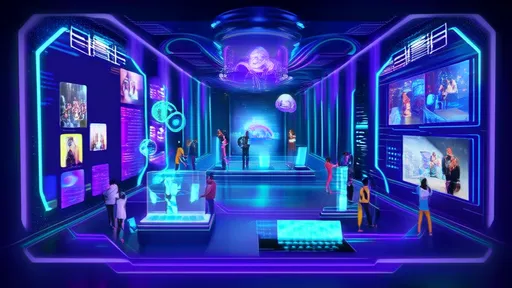
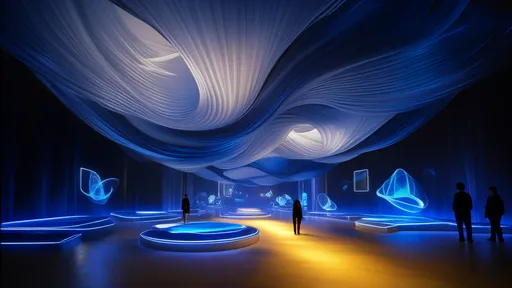
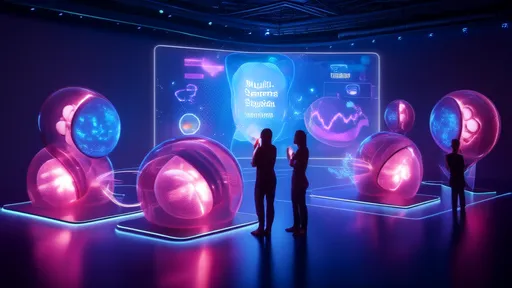
The cornerstone of this transformation was the seamless integration of multimedia elements into the online guide. Gone are the days of static PDF programmes and simple event listings. Instead, visitors were invited into a dynamic ecosystem where high-definition video, immersive audio, interactive maps, and behind-the-scenes content coalesced to create a rich, layered narrative. A simple click on a performance listing no longer just yielded a time and date; it unlocked a portal. One could watch a beautifully edited trailer featuring sweeping shots of the set, listen to a composer discuss the motifs of a new symphony, or explore a 360-degree view of the installation before even deciding to attend. This pre-experience, rich with context and texture, did not spoil the live event; it deepened the anticipation and armed the audience with a framework for appreciation, making the eventual encounter—whether physical or digital—infinitely more meaningful.
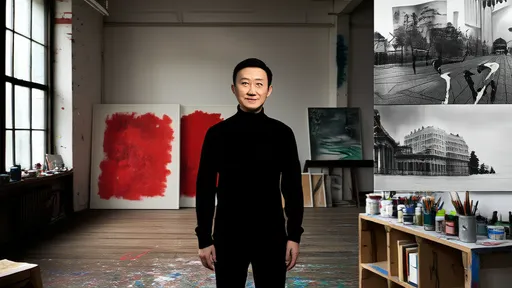
Perhaps the most significant innovation was the way the guide facilitated a new kind of dialogue between the artist and the public. Through embedded podcasts and mini-documentaries, creators stepped out from behind their work to share their processes, their inspirations, and their vulnerabilities. A choreographer explained the emotional core of a difficult piece; a visual artist gave a virtual tour of their studio, pointing out sketches and failed experiments. This transparency demystified the creative act, fostering a sense of intimacy and connection that is often elusive in a crowded theatre lobby. The audience was no longer a passive recipient but an invited guest into the creative journey. This built a powerful sense of community and investment, transforming casual attendees into dedicated advocates for the arts.
The guide’s functionality extended beyond mere information delivery to become an active participant in shaping the festival journey. Its intelligent recommendation engine, powered by user preferences and browsing history, acted as a personalized curator. If you spent time exploring avant-garde theatre, it might suggest a experimental sound installation you had overlooked. This serendipitous discovery, a hallmark of any great festival, was thus preserved and even enhanced in the digital space. Furthermore, interactive timelines and thematic trails allowed users to construct their own narratives through the festival’s vast programme. One could follow a trail on "Art and the Environment" or "The Female Gaze," connecting disparate works across disciplines and venues, thereby encouraging a more holistic and critical engagement with the festival's overarching themes.
For the performances and exhibitions that were live-streamed or offered as on-demand content, the online guide became the central hub for a unified experience. It wasn't just a link to a video stream; it was a curated environment. Viewers could access digital programme notes that popped up at relevant moments, join synchronized live chats with other audience members, and even participate in post-show Q&A sessions with the artists directly through the platform. This created a shared, communal space that mitigated the isolation of watching from home. The experience was transformed from a solitary act of consumption into a collective event, complete with the immediacy and shared energy that defines live art.
The impact of this multimedia-rich approach on public accessibility cannot be overstated. Geographical and physical barriers that once prevented participation were dismantled. An art lover in a remote town, a person with mobility challenges, or a parent who cannot easily secure childcare could all access world-class cultural content with unprecedented ease. The guide also offered content in multiple formats—transcripts for audio elements, audio descriptions for visual content—making the festival more inclusive than ever before. This democratization of access is perhaps the most enduring legacy of this digital evolution, ensuring that the arts can truly be for everyone, everywhere.
In conclusion, the festival's online guide has proven to be far more than a utilitarian tool; it is a vibrant, dynamic platform that has significantly enriched the public's experience. By weaving together a tapestry of multimedia content, it has fostered deeper understanding, created intimate connections between artists and audiences, enabled personalized discovery, and built inclusive digital communities. It has not replaced the irreplaceable magic of a live, in-person encounter, but it has created a parallel universe of engagement that complements and amplifies it. This successful fusion of art and technology signals a promising future where the digital and physical realms of cultural experience are not in competition, but in a continuous, enriching dialogue, ensuring that the transformative power of the arts reaches further than ever before.
By /Sep 26, 2025
By /Sep 26, 2025
By /Sep 25, 2025
By /Sep 25, 2025
By /Sep 26, 2025
By /Sep 26, 2025
By /Sep 25, 2025
By /Sep 26, 2025
By /Sep 26, 2025
By /Sep 25, 2025
By /Sep 25, 2025
By /Sep 25, 2025
By /Sep 26, 2025
By /Sep 26, 2025
By /Sep 25, 2025
By /Sep 26, 2025
By /Sep 25, 2025
By /Sep 25, 2025
By /Sep 26, 2025
By /Sep 25, 2025
