Art enthusiasts across China are witnessing a remarkable cultural convergence as the Latin American Art Season unfolds simultaneously in Wuxi and Jinan, with Beijing serving as the grand finale host. This ambitious tri-city celebration, spanning three months, has transformed galleries and cultural centers into vibrant hubs of cross-continental dialogue.
The timing of this festival couldn't be more significant. As cultural exchanges between China and Latin American nations deepen, this event stands as a testament to the growing artistic kinship between distant shores. Curators have meticulously assembled over 200 works from 18 Latin American countries, creating what many are calling the most comprehensive presentation of Latin American art ever staged in China.
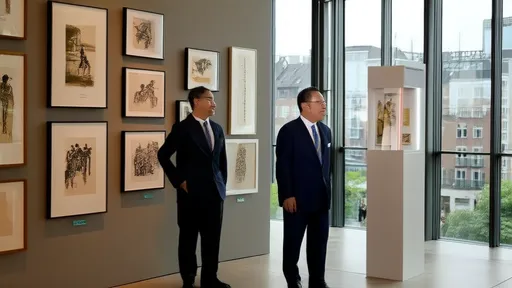
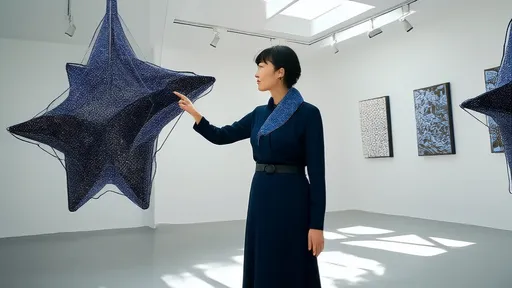
In Wuxi, the exhibition found its home at the Liangxi Museum of Contemporary Art, where the sleek, modern architecture provided a striking contrast to the vibrant, emotionally charged works on display. Visitors have been particularly drawn to the magical realism section, where paintings blur the lines between dream and reality in ways that feel both foreign and strangely familiar to Chinese sensibilities.
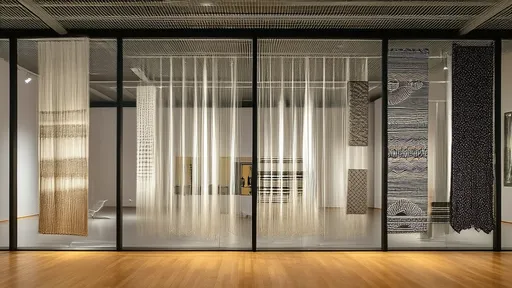
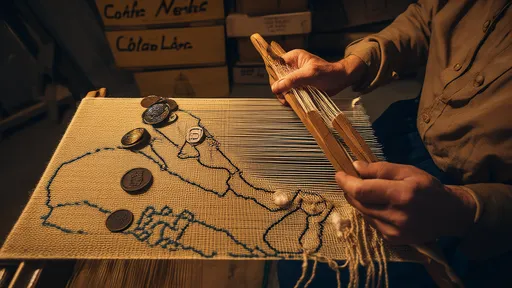
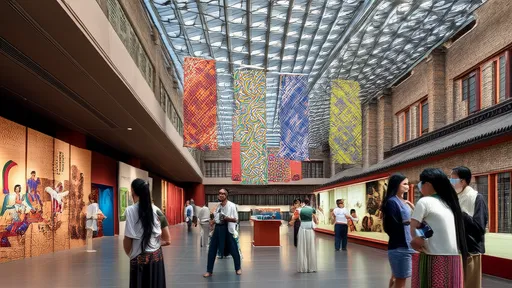
Meanwhile, Jinan's Shandong Art Museum has embraced the festival with equal enthusiasm. The museum's classical Chinese architecture has created an fascinating dialogue with the bold, colorful installations from Brazil and the intricate textiles from Peru. Local artists have noted how the geometric patterns in some works echo traditional Chinese motifs, suggesting a shared visual language that transcends geographical boundaries.
What makes this art season particularly remarkable is its thematic organization. Rather than grouping works by country, curators have arranged them according to universal human experiences: migration, memory, nature, and urban transformation. This approach allows visitors to connect with the art on a fundamental level, beyond cultural specificities.
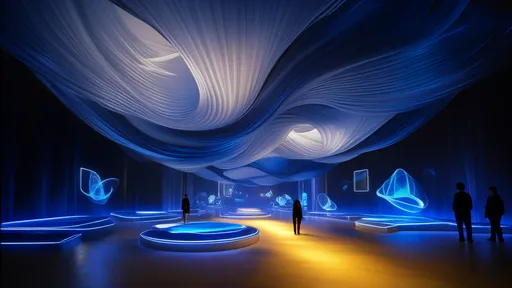
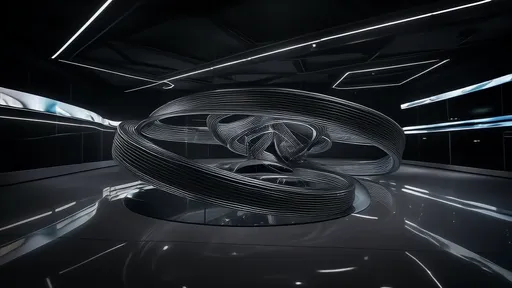
The Beijing leg, scheduled to open next month at the National Art Museum of China, promises to be the crowning jewel of the season. Preparations are underway for an expanded exhibition that will include live performances, film screenings, and interactive installations. Organizers have hinted at several large-scale pieces that will be created specifically for the Beijing venue, responding to the architectural space and cultural context of the capital.
Educational programs have formed a crucial component of the art season. Throughout the exhibition run, participating museums have hosted lectures by Latin American art historians, workshops with visiting artists, and roundtable discussions about cultural exchange. These events have been consistently packed, reflecting the Chinese public's growing appetite for understanding global art movements.
One of the most talked-about sections has been the contemporary indigenous art collection. These works, created by artists who maintain strong connections to their ancestral traditions while engaging with modern themes, have sparked important conversations about cultural preservation in an increasingly globalized world. The way these artists navigate tradition and innovation resonates deeply with similar discussions happening in Chinese artistic circles.
The logistical achievement of coordinating such an extensive exhibition across three cities cannot be overstated. It required unprecedented collaboration between multiple cultural ministries, embassy cultural attachés, and museum teams working across different time zones. The success of this complex operation suggests a new model for future international cultural exchanges in China.
Visitor responses have been overwhelmingly positive. Many have expressed surprise at the diversity within Latin American art, having previously associated the region primarily with muralism and magical realism. The exhibition reveals a much richer tapestry, including sophisticated conceptual art, politically engaged installations, and innovative digital works that challenge preconceived notions.
Economic and cultural diplomats from both sides have been closely watching the event's reception. The art season coincides with increased trade and investment between China and Latin American countries, and many see cultural understanding as the foundation for stronger economic partnerships. Several business delegations have scheduled visits to the exhibitions as part of their cultural orientation programs.
Local artists in each host city have responded enthusiastically to the influx of Latin American influences. Spontaneous collaborations have emerged, with Chinese and Latin American artists organizing joint studio visits and informal critiques. These organic interactions may prove to be the most lasting impact of the art season, potentially leading to future joint exhibitions and residencies.
The timing of the Beijing finale is particularly strategic, aligning with the capital's autumn cultural calendar when international visitors and diplomats are most active. This ensures maximum visibility for the Latin American artists and creates opportunities for networking that could lead to future exhibitions in other parts of the world.
As the art season continues to unfold, it's becoming clear that this is more than just a temporary exhibition. It represents a significant milestone in China-Latin America cultural relations. The careful curation, the enthusiastic public response, and the professional collaborations established during this process have created a solid foundation for ongoing artistic exchange.
The success of this tri-city approach may inspire similar models for future cultural festivals. By spreading major exhibitions across multiple cities, organizers can reach wider audiences while allowing each location to develop its own unique relationship with the artwork. This decentralization of cultural resources aligns with broader efforts to make high-quality art accessible beyond traditional hubs like Beijing and Shanghai.
As preparations intensify for the Beijing opening, anticipation continues to build. The National Art Museum has already announced extended viewing hours and additional educational programming to accommodate expected crowds. For many Chinese art lovers who cannot travel to Latin America, this exhibition offers a unprecedented opportunity to experience the region's rich artistic traditions firsthand.
Perhaps the most significant achievement of this Latin American Art Season is how it has challenged simplistic East-West cultural binaries. By fostering a dialogue between China and Latin America, the festival highlights the multipolar nature of contemporary global culture. It suggests new axes of artistic influence and exchange that may shape international art discourse for years to come.
The resonance between certain artistic concerns—the relationship to nature, the pace of urbanization, the preservation of cultural memory—reveals that geographical distance doesn't preclude shared human experiences. This recognition of common ground, amid celebration of difference, may be the festival's most enduring legacy.
By /Sep 26, 2025
By /Sep 26, 2025
By /Sep 25, 2025
By /Sep 25, 2025
By /Sep 26, 2025
By /Sep 26, 2025
By /Sep 25, 2025
By /Sep 26, 2025
By /Sep 26, 2025
By /Sep 25, 2025

By /Sep 25, 2025
By /Sep 25, 2025
By /Sep 26, 2025
By /Sep 26, 2025
By /Sep 25, 2025
By /Sep 26, 2025
By /Sep 25, 2025
By /Sep 25, 2025
By /Sep 26, 2025
By /Sep 25, 2025
