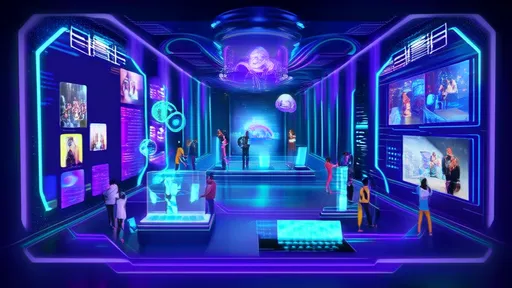
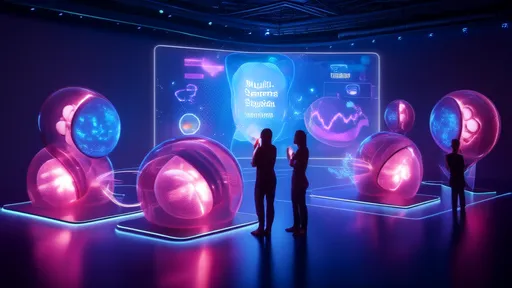
In the hushed galleries of contemporary art museums, a quiet revolution is unfolding. The soft glow of screens has begun to rival the traditional spotlight on canvas and sculpture, signaling a profound shift in the very language of artistic expression. This is the domain of digital art, a field where code is the chisel and data the pigment, creating immersive, interactive worlds that respond to our presence. The central tenet of this movement is clear: technology is no longer merely a tool for creation; it has evolved into a fundamental, expressive language in its own right.
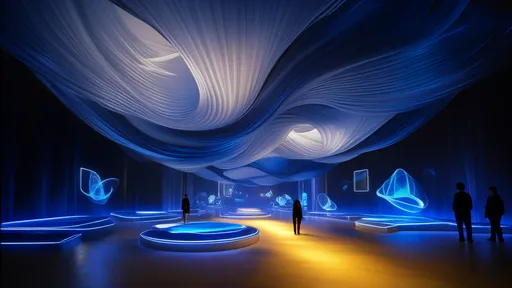
The journey from static image to dynamic interaction marks one of the most significant developments in recent art history. For centuries, art was an object to be observed from a respectful distance, a frozen moment in time. The viewer’s role was largely passive. Digital art shatters this paradigm. Artists are now building environments that demand participation. A wave of a hand can alter the flow of a digital river; a step forward can cause a field of virtual flowers to bloom. This interactivity transforms the audience from spectator to co-creator, imbuing each encounter with the artwork with a sense of uniqueness and personal agency. The artwork is no longer a fixed entity but a living system that breathes in response to human input.
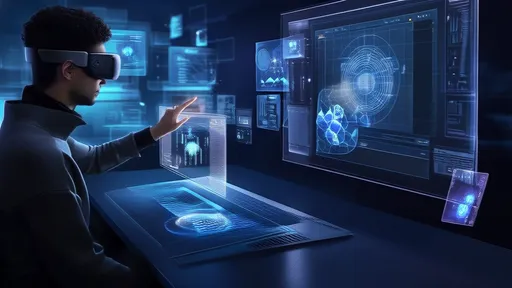
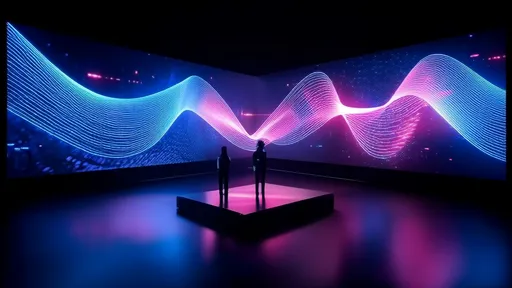
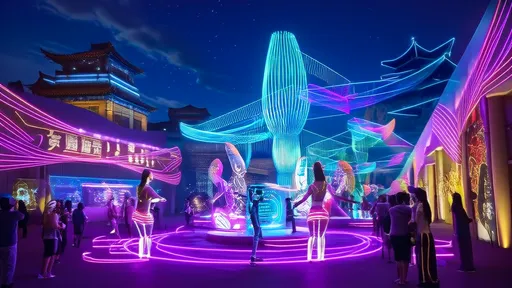
At the heart of this evolution is a sophisticated arsenal of technologies. Projection mapping allows artists to drape dynamic visuals over irregular surfaces, turning entire buildings and rooms into canvases that tell stories. Virtual and Augmented Reality (VR/AR) dissolve the boundaries of physical space, inviting viewers to step inside a painting or have fantastical creatures coexist in their living room. Motion sensors and computer vision enable artworks to "see" and react to movement, creating a silent, intuitive dialogue between the human body and the digital realm. Furthermore, generative algorithms and artificial intelligence are being employed not just as tools, but as creative partners. Artists can set parameters and rules, and then watch as the AI generates unique forms, patterns, and even musical compositions, often with surprising and aesthetically compelling results. This collaboration between human intention and machine logic is forging an entirely new aesthetic vocabulary.
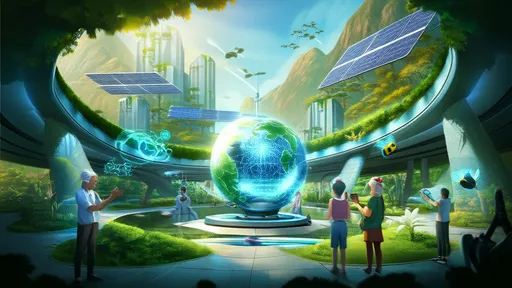
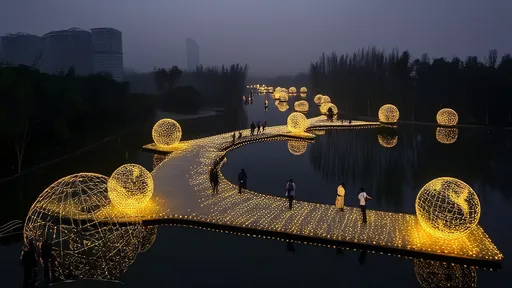
The implications of this new language extend far beyond visual spectacle. Interactive digital art is becoming a powerful medium for exploring complex, contemporary themes. How can we visualize the immense, abstract flow of global data? How can we create an empathetic experience of climate change? Artists are tackling these questions by building data-driven installations. One might step into a room where the intensity of light and sound is directly tied to real-time carbon dioxide levels in the atmosphere, creating a visceral, unsettling experience of planetary health. Another artist might create a network of pulsating lights that represent internet traffic, making the invisible infrastructure of our digital lives tangible and beautiful. In this way, technology becomes a translator, converting complex information into sensory experiences that resonate on a deeply human level.
This fusion of art and tech is also redefining the relationship between the artist, the artwork, and the public. The traditional model of the solitary genius toiling in a studio is being supplemented by collaborative, cross-disciplinary teams. Artists now work alongside software engineers, data scientists, and sound designers. The resulting works are often large-scale and require ongoing technical maintenance, challenging the notion of art as a permanent, unchanging object. Instead, these pieces can evolve, receive updates, or even have their core algorithms altered, reflecting a more fluid and contemporary understanding of creation. The public’s role is equally transformed. By interacting with the piece, each visitor leaves a unique data trace—a path walked, a choice made—which can become part of the artwork's history. In some cases, the collective behavior of audiences over time can shape the artwork's future state, making the public an integral part of its continuous creation.
Looking ahead, the trajectory of digital art points toward even deeper integration with our lives. The rise of the metaverse and persistent online worlds offers a new frontier for artistic exploration, where environments can be entirely fictional, governed by their own physical and narrative rules. As haptic technology advances, we may not only see and hear digital art but feel it—the texture of a virtual sculpture or the resistance of a digital force. The potential for art to become a fully embodied, multi-sensory experience is immense. Furthermore, the increasing accessibility of creative coding platforms and powerful consumer hardware is democratizing this new language. A new generation of artists, who are digital natives, are emerging without the traditional barriers between technology and art, promising a future rich with innovation.
Ultimately, the rise of interactive digital art signifies a fundamental expansion of art's purpose and potential. It is a movement that embraces process over product, experience over object, and system over singularity. By adopting technology as its core expressive language, this art form is uniquely equipped to mirror the complexities of our interconnected, data-saturated world. It offers not an escape from reality, but a new lens through which to understand it. As we continue to navigate the profound changes brought by technology, these interactive scenes serve as both a reflection and a prophecy, challenging us to reconsider what art can be and what role it will play in the human story of the twenty-first century.
By /Sep 26, 2025
By /Sep 26, 2025
By /Sep 25, 2025
By /Sep 25, 2025
By /Sep 26, 2025
By /Sep 26, 2025
By /Sep 25, 2025
By /Sep 26, 2025
By /Sep 26, 2025
By /Sep 25, 2025
By /Sep 25, 2025
By /Sep 25, 2025
By /Sep 26, 2025
By /Sep 26, 2025
By /Sep 25, 2025
By /Sep 26, 2025

By /Sep 25, 2025
By /Sep 25, 2025
By /Sep 26, 2025
By /Sep 25, 2025
